Understanding Intersectionality is the Key
In my previous post, I explored how diversity shapes communication. Now, let’s go further with intersectionality—the way overlapping identities like race, gender, sexuality and class shape our experiences. From experience, I can tell you that understanding this complexity will result in richer, more inclusive communication.
What is Intersectionality?
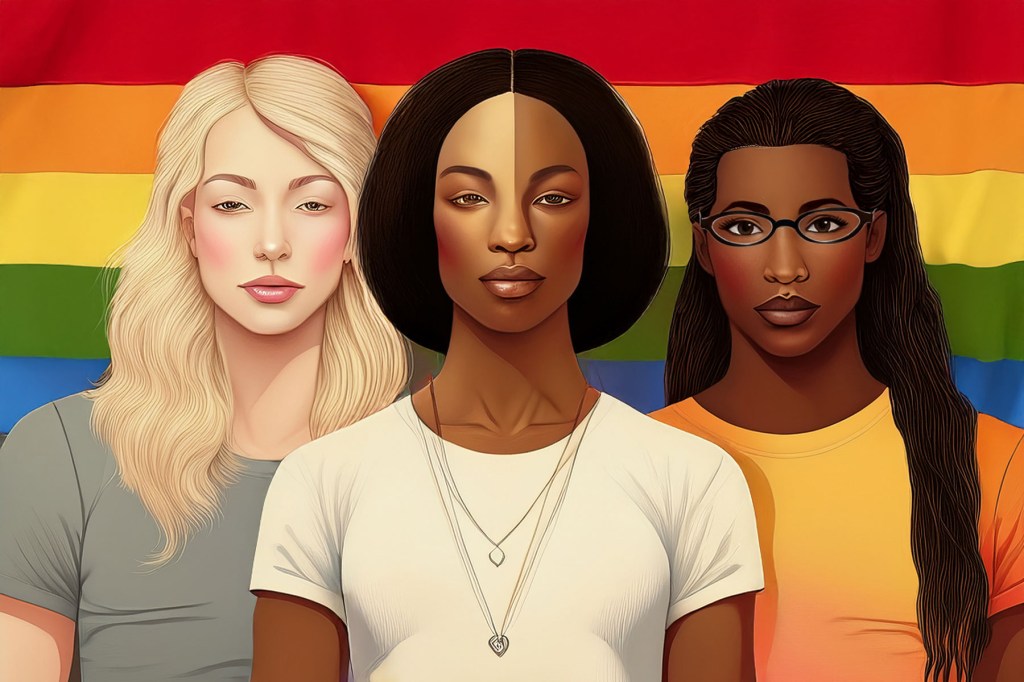
Intersectionality reveals how multiple identities shape an individual’s experiences. A Black woman in the workplace, for example, may navigate challenges differently than a white woman or a Black man due to the intersection of race and gender. Similarly, a person with a disability who is also LGBTQ+ might face unique barriers within both communities, affecting their self-expression and sense of belonging.
Intersectionality helps us move past putting people in boxes and really see the full picture of who they are. When we recognize these overlapping parts of identity, we create more inclusive spaces where everyone feels seen. It might not always be simple, but it’s real—and it makes us better communicators.
How Intersectionality Strengthens Communication
Getting intersectionality helps us be more empathetic in how we communicate. When we understand that people have layered identities, we’re more likely to approach conversations with compassion. For example, seeing how someone’s background and ethnicity shape their experiences can open the door to more thoughtful and supportive chats about inequality.
On top of that, recognizing intersectionality helps cut down on misunderstandings. It stops us from jumping to conclusions or relying on stereotypes. Instead of assuming everyone sees things the same way, it encourages us to stay curious and open-minded. In workplaces, this mindset leads to more inclusive policies and conversations that actually reflect the diverse experiences of the people who work there.
Challenges in Intersectional Communication
Even though intersectional communication has a lot of benefits, it’s not without its challenges. Stereotypes can make it hard to see people as more than just one part of their identity. Take older women in tech, for example. They might deal with both ageism and gender bias. This combination makes their experiences quite different from those of their younger coworkers.
Another challenge is overgeneralization—assuming that one person’s experience speaks for everyone can easily lead to misunderstandings. Power dynamics also matter, since some voices tend to get overlooked. That’s why it’s so important to uplift underrepresented perspectives and make space for a wide range of stories and experiences to be heard.
Embracing Intersectionality for Better Communication
If we want to get better at communicating through an intersectional lens, active listening is a great place to start. Rather than jumping to conclusions based on one part of someone’s identity, we should take the time to hear their full story. Being aware of our own biases and privileges helps too—it’s all about staying open and reflective. And when we encourage honest, respectful conversations, we make room for everyone to feel seen and heard. Safe spaces like that make all the difference.
To wrap up this big (and sometimes messy) topic—recognizing intersectionality helps us communicate with more thought, care, and, most importantly, effectiveness. When we understand how different parts of diversity and identity overlap, we build stronger connections and create spaces where everyone feels truly seen. Next time, I’ll show you how to turn identity, diversity, and intersectionality into real, effective communication. Stay tuned!
All of this is part of the course “Empower Yourself”, developed and organized by Amaris Vitae. And if you think I can support you—whether as an organization or individually—feel free to check out my Support page for more information.


 alfred-jansen.com