

Facing Communication Challenges in a Time of Disinformation and Division
In a world that feels increasingly fragmented, I find myself reflecting on the true essence of inclusive communication. This week, I’m stepping back from my usual posts to take a broader, more purposeful look at where we stand—and how we can move forward.
How do today’s political and social climates impact the way we connect, share, and include? More importantly, what tools can we rely on to navigate the tsunami of challenges ahead?
This year alone has left a heavy mark on countless lives. I don’t need to explain it; we’re all feeling it. And the reality is, it won’t get easier. So the real question is: How can we—you and I—communicate more effectively in these turbulent times?
The Shadow of Authoritarian Politics
Around the world, authoritarian leadership is on the rise. This shift strikes at the very heart of open communication. Fear replaces dialogue. Suspicion replaces trust.
In authoritarian climates, speaking up becomes risky, and listening becomes selective. The free exchange of ideas—so vital to healthy societies—is often sacrificed for control.
As communicators, both personally and professionally, we must be more vigilant than ever, protecting spaces where truth, respect, and genuine dialogue can thrive.
Diversity and Equality Under Pressure
It’s not just communication that suffers. Diversity, equity, and inclusion (DEI) efforts are under attack too. Authoritarian systems often sideline minority voices and promote a single “norm,” damaging hard-won progress.
When inclusion is seen as optional rather than essential, marginalized groups face renewed exclusion. We, as leaders, community members, and individuals, must continue to advocate for policies and practices that celebrate our collective differences—not allowing them to be suppressed.
The Age of Disinformation
At the same time, social media has turned everyone into a broadcaster—without the responsibility or ethics traditionally expected of journalists. Disinformation isn’t just a side effect anymore; it’s front and centre. Nuanced discussions get drowned out by viral falsehoods, and authoritarian forces know how to exploit this better than anyone.
In such a noisy landscape, inclusive communication becomes even harder. We must remind ourselves that inclusivity is not only about who is heard, but also about ensuring that what is shared is rooted in truth.
How to Check What’s Real
In a world where information can be manipulated in seconds, critical thinking is our best defense. Before accepting anything at face value, ask yourself: Who is sharing this? What is their source? Is there independent confirmation? Fact-checking websites, reverse image searches, and credible, diverse news sources are essential tools.
Inclusive communication demands a commitment to truth—not just in what we say, but in how we engage with the information around us.
My Solution: Create a Manifesto
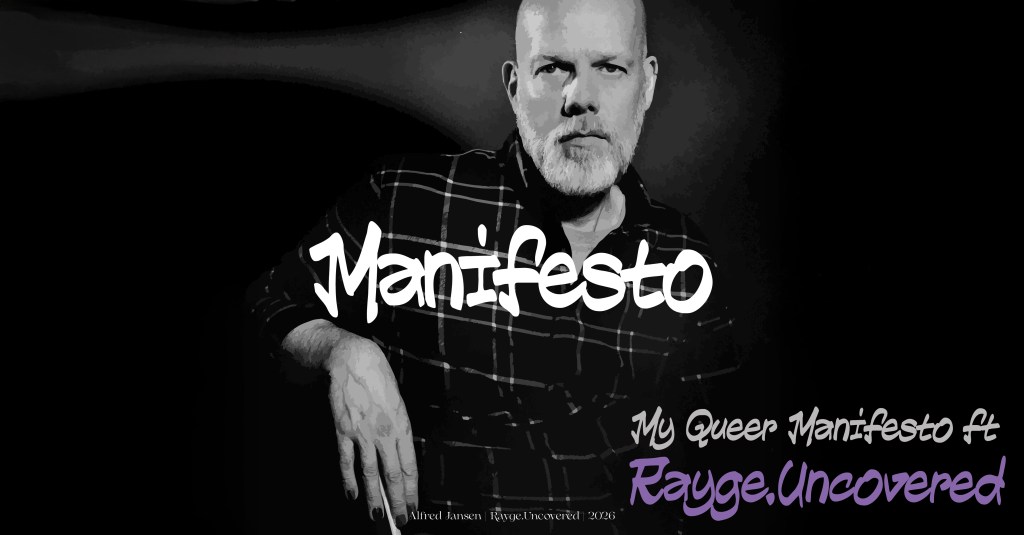
Words are powerful—but they’re not enough. That’s why I believe in creating a personal or organizational manifesto: a clear, actionable set of principles you commit to living by every day. My own manifesto centres on truth, respect, inclusivity, and accountability.
A manifesto reminds us that inclusive communication isn’t a one-time achievement—it’s a daily practice. It becomes your anchor in turbulent times.
Want to know how to create your own manifesto? I’m happy to help—just reach out!
Conclusion: Get Your Act Together
At the end of the day, action speaks louder than words—but only when you’ve truly got your act together.
It’s not enough to declare values; you must embody them. Today’s communication demands more than talking. It demands listening, verifying, learning, and living with integrity.
Only then will our actions authentically echo our words. That’s powerful, I know from experience.


 alfred-jansen.com