

This summer, I’m exploring how photography can teach us to communicate more clearly and inclusively. Each week, I take a key aspect of photography and show how it translates to everyday communication.
This week’s topic: Depth of Field.
Please check my privacy and copyright statement below.
Introduction: Seeing And Creating Layers
This week’s focus is on depth of field—how much of a scene you keep sharp and how much you let blur. In photography, it’s about choosing whether to set a subject apart with a soft background or to show everything in the frame clearly in full detail. In communication, it’s a great metaphor for how much context we share with our audience.
Depth of Field in Photography: What You Show and What You Blur
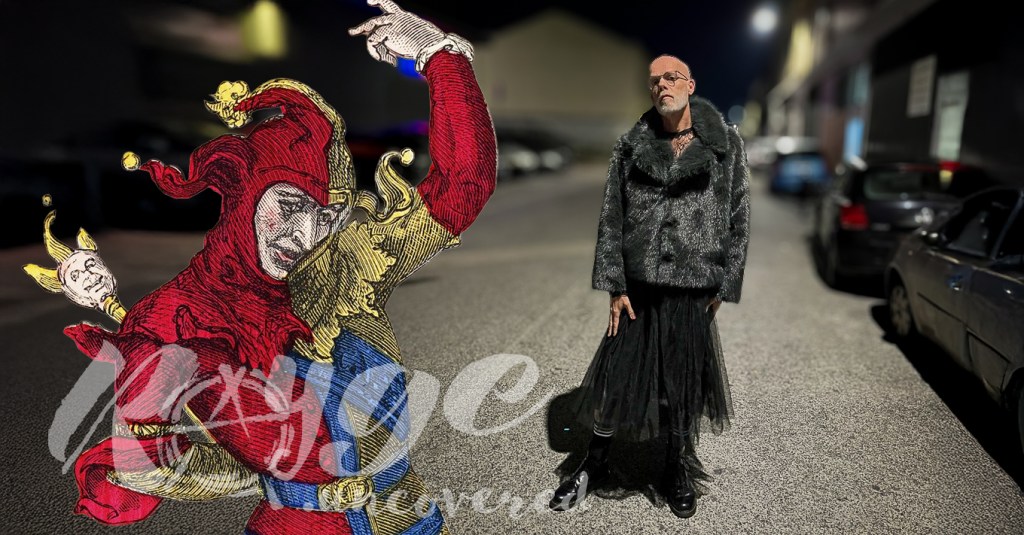
Depth of field is all about choosing the right aperture setting on your camera. A shallow depth of field makes the subject sharp and the background blurry. This makes the subject stand out and instantly draws the viewer’s attention. Think of a portrait where a person pops against a soft, creamy backdrop.
A deep depth of field keeps everything in focus—foreground and background. It’s perfect for landscapes or storytelling images where all the details matter. In other words, you’re inviting your audience to explore the whole scene without distraction.
Depth of Field in Communication: Balancing Focus and Context
In communication, depth of field is a lot like deciding how much background you give to your message.
A shallow depth of field in communication means highlighting one clear point and letting less important details “blur” into the background. It’s great for clarity and impact.
A deep depth of field is like sharing the whole context, making sure your audience can see all the layers and understand the bigger picture. This is especially useful in inclusive communication, where you want to acknowledge different perspectives and voices.
Bringing It Together
Depth of field teaches us that aperture shapes understanding. In photography, it decides what the viewer notices first. In communication, it decides whether your audience gets a single sharp idea or the complete context. Sometimes less is more, and sometimes showing the full scene builds trust and connection.

Coming Up Next Week:
Next week, I’ll explore Perspective—and how the angle you choose changes the way people see your images and understand your story.



 alfred-jansen.com