
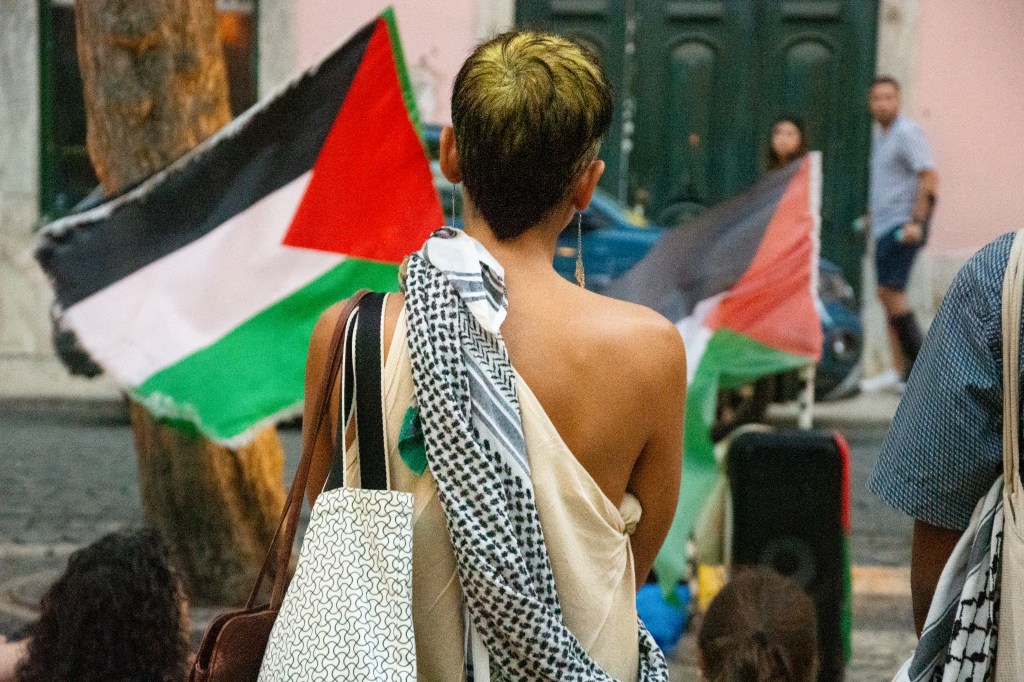
This post is part of my weekly summer project, where I explore how photography and inclusive communication overlap. Each week, I take a concept from photography and translate it into tools for clearer, more human communication. Today, I want to talk about perspective.
This week’s topic: Perspective.
Please check my privacy and copyright statement below.

PERSPECTIVE in Photography
In photography, perspective changes everything. Move a few steps to the side, crouch down, or zoom out, and suddenly the scene transforms. A subject can look powerful when shot from below, or fragile when captured from above. Perspective shapes how we interpret what we see, reminding us that no single viewpoint tells the whole story.
Perspective in Inclusive Communication
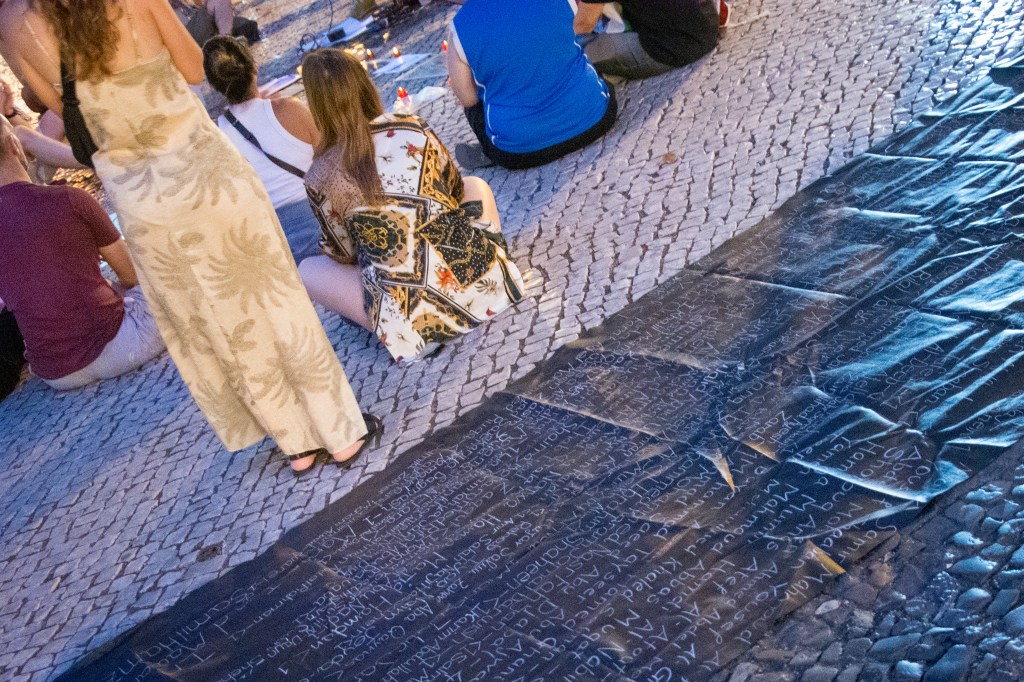
In inclusive communication, perspective works in a similar way. The way you frame an issue, the words you choose, and the position you speak from all shape how others perceive your message. Being open to different perspectives doesn’t weaken your voice—it strengthens understanding and builds bridges across diverse audiences.

Overlap and Relevance
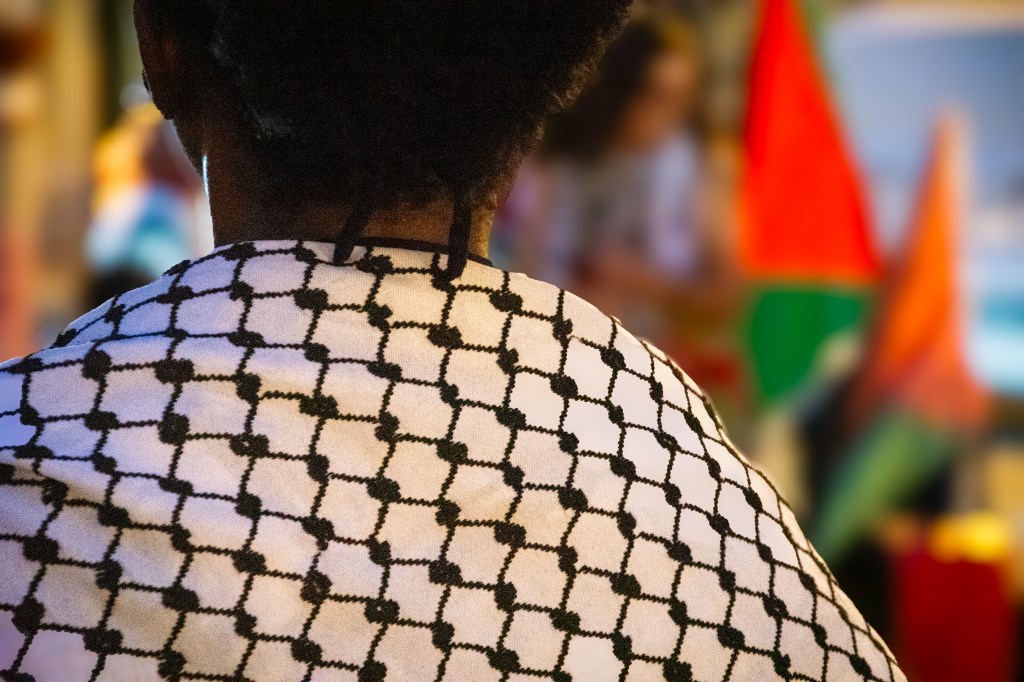
What photographers and communicators share is the ability to frame reality. By being intentional about perspective, you can highlight truths, reveal hidden angles, and open up dialogue. The current genocide in Gaza shows how critical this is: many perspectives exist, but all lead to the same undeniable conclusion—the criminals responsible for the suffering must be condemned. Perspective here is not about relativism, but about justice and clarity.
Summary
Perspective, whether through a camera or in inclusive communication, is about where you stand and what you choose to reveal. It teaches us to look deeper, beyond one fixed angle, and to hold space for complexity while naming truth.

Coming Up Next Week:
Next week, I’ll explore Timing as the second-last part of this series.


 alfred-jansen.com