
An Open Invitation to Join
Before my summer break, I’ve been exploring inclusive communication—not as a buzzword, but as a way of being. This blog series has unfolded through reflections on journalism, activism, photography, and lived experience. Each post has been a step in understanding how we can communicate with more care, courage, and impact. Today, I’m moving to the next level, called “Queer Communication Insights”.
I’m really excited to announce my special upcoming series, “Queer Communication Insights,” where I’ll dive deeper into how queer perspectives shape, challenge, and expand the way we connect and communicate today. Consider this the next step in our shared journey of learning and reflection on Inclusive Communication.
Breaking Binaries
At its core, Inclusive Communication is about seeing, hearing, and valuing people in their full diversity. It means resisting assumptions, breaking binaries, and unpicking the filters that too often distort or silence voices. Whether in international reporting or grassroots organizing, I’ve seen how words and images can either deepen exclusion or create space for belonging.
Good to know: all posts in this Inclusive Communication series are brought together on this page: [Link] — a resource you can return to anytime to explore the full collection.
Timing Matters
One of the strongest themes has been timing. Communication doesn’t exist in isolation—it happens in a crowded landscape shaped by disinformation, misinformation, and the relentless flood of online noise. For a message to have impact, it has to reach the right people at the right time.
This urgency is painfully clear when we consider moments of injustice. The ongoing genocide in Gaza, or the erasure of marginalised communities closer to home, reminds us that silence or delay can itself be a form of complicity. To communicate inclusively is to act in time—because timing is also about solidarity.
Storytelling as Practice
Another thread in the series is storytelling. Stories shape how we see the world, yet not all stories are told—or told fairly. Inclusive storytelling means asking: Whose voices are amplified? Whose realities are missing?
For me, photography and writing are tools not only to document but to disrupt. They can challenge dominant frames and open space for perspectives that are usually sidelined. Storytelling becomes an act of care, resistance, and reimagining.
From Principles to Practice
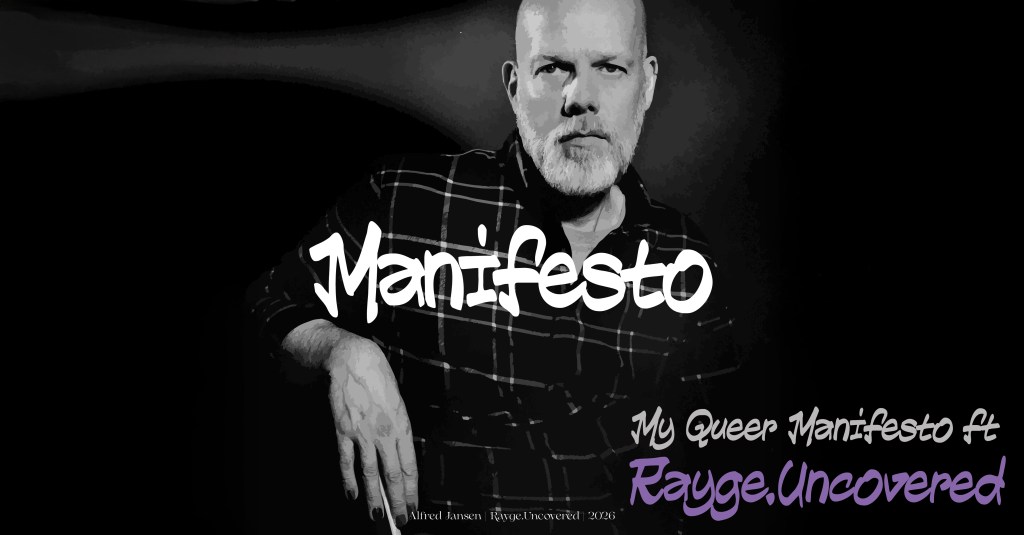
This series has also introduced a Manifesto of dos and don’ts—a set of practices I’ve learned and continue to refine. Some of the dos include listening deeply, questioning bias, treating accessibility as a baseline, and remembering that language evolves. The don’ts: don’t tokenise, don’t generalise, don’t treat inclusivity as a checkbox, and don’t ignore the power dynamics behind every exchange.
I’ve also reflected on the role of AI in communication. While it can broaden access, it can just as easily reproduce bias or strip away nuance. The challenge is to use it responsibly: as a tool that supports inclusive practices, not as a shortcut that undermines them.
Still Learning
Inclusive communication isn’t a finished product—it’s a process. I’ve shared my perspective shaped by international journalism and communication, activism and my non-binary identity. But I’m still learning and unlearning, and I don’t intend to stop at any time!
That’s why this isn’t just my project—it’s an invitation. Together, we can practice new ways of speaking, listening, and showing up. We can build a more just and diverse world through the words we choose and the silences we refuse.
Growing and Empowering Communities
I believe communities will grow and become stronger; a significant part of this growth will be supported by enhanced (read: more clever and long-term focused) communication skills and tools. In today’s interconnected world, the ability to communicate effectively is more crucial than ever before.
As we develop these advanced communication strategies, we encourage you to take an active role in shaping your futures, ultimately leading to a more vibrant and united community.
Queer Perspectives
Inclusive communication is a practice we develop together. In my upcoming special series, “Queer Communication Insights,” I’ll take it to the next level and explore how queer perspectives shape, challenge, and expand the way we connect and communicate.
For those who want to go deeper, I also offer communication masterclasses upon request, turning principles into practical skills through reality-based active learning and dialogue. Connect, learn, and grow!
Finally, I ‘m very happy to invite you to join our Understanding Love 22 Community, where we explore these ideas collectively, share experiences, and imagine better futures. Here’s how to join.


 alfred-jansen.com