
How can we use media for our liberation?
As queer people, we rely on different media to connect, express ourselves, and build community. Yet many of the main platforms are owned, designed, and controlled by those who don’t necessarily have our liberation in mind. This post explores what media and social media are, how they affect us, and how we can use them more strategically and creatively—as tools of resistance, visibility, and joy.
What Media Mean for Queer People
Media are the channels through which we share and receive information: newspapers, television, radio, websites, podcasts, social platforms, and more. Social media go a step further — they turn everyone into a publisher, giving us a direct voice. For us queers, this has been a revolution. We can tell our own stories without waiting for permission. We can reach out to others who might feel isolated, and we can build communities that cross borders and generations.
But it’s not a free playground. The same media that amplify us also monitor us. Algorithms reward visibility, but it’s not always about truth or care. Many platforms, I hate to say, silence queer voices — whether through shadowbanning, flagging, or biased moderation. It’s vital to remember: we’re creating within systems built for profit, not liberation.
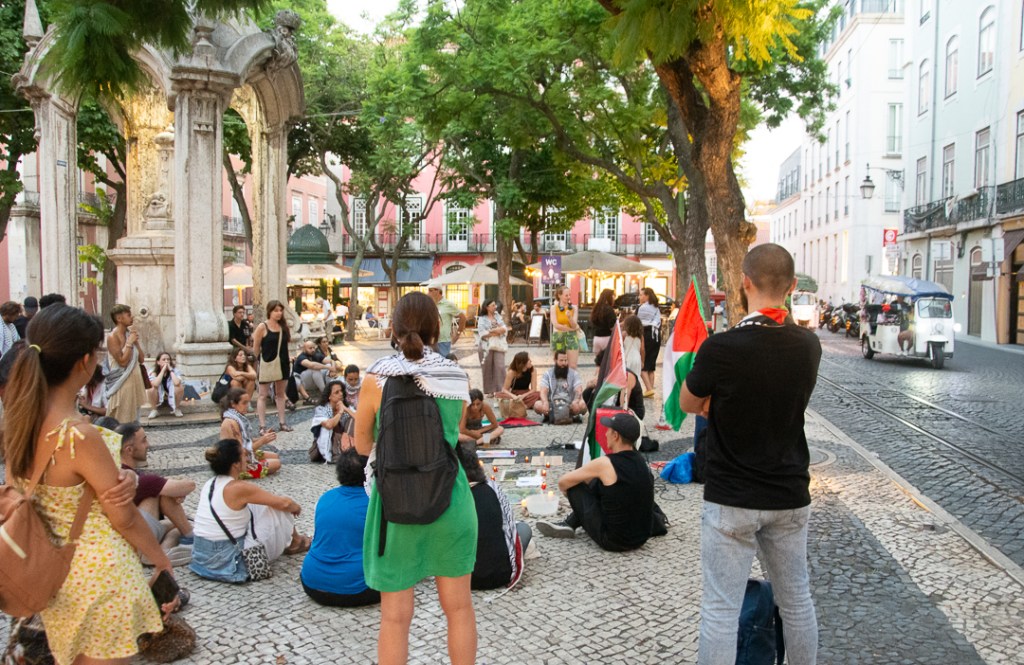
Queer creators often face algorithmic suppression on major platforms, highlighting the tension between visibility and censorship. Being aware of this already helps us navigate these challenges — and that’s a start.
The Power and the Pitfalls
Offline and online media have given queer communities incredible tools. We can share love, raise awareness, and mobilize quickly when it matters — around protests, solidarity actions, or crises like Gaza. But they can also drain us, distort our messages, or spread disinformation faster than we can respond.
Our challenge is to use these platforms without letting them use us. To share our truths — not for clicks, but for connection. And to balance online visibility with real-world presence: in community events, protests, performances, or simply by being unapologetically ourselves in public spaces. That’s very much my approach.
Local gatherings create safe spaces for storytelling and solidarity. Virtual panels can educate wider audiences, while art installations and performances in public areas celebrate queer identity and resilience in ways that words alone cannot.
My Perspective and Experience
Over the years, I’ve worked across many areas of communication — journalism, photography, visual storytelling, diversity work, and activism. Each field has taught me how words and images move people, how messages can unite or divide, and how visibility changes lives. I’ve seen communication at its most powerful — and at its most manipulative.
In journalism, I’ve covered stories highlighting social injustices. Through photography, I’ve portrayed the resilience and beauty of marginalized communities. In diversity work, I’ve helped develop inclusive campaigns that celebrate difference. And through activism, I’ve co-organized events and panel discussions that bring people together around urgent issues.

These experiences taught me how essential it is to stay adaptable, creative, and grounded — especially when the world tries to define us. I think long-term, but I’m also hands-on: I like to test ideas, create, and turn concepts into action. That mix of strategy and practice keeps me close to what truly matters — people, stories, and impact.
The Challenges We Face
We live in a time of overwhelming information — and increasing distortion. Wars, genocides, colonial systems, and rising fascisms all depend on controlled narratives to justify their violence. Media play a central part in this. Many outlets are owned by those who benefit from inequality and silence dissenting voices.
Queer people often become collateral in these narratives — blamed, erased, or commodified. Our stories are told about us, not by us. That’s why improving our communication isn’t a luxury — it’s a necessity. I believe our community will benefit deeply from a more strategic, coordinated approach: clearer messages, stronger alliances, and a tighter link between online activism and offline action — protests, gatherings, and creative interventions.

For instance, grassroots organizations can amplify the voices of queer individuals through targeted campaigns demanding justice for victims of violence. Pride marches can go beyond celebration to become spaces of political resistance and storytelling. Partnerships with local queer businesses and collectives can strengthen both our economic resilience and our shared visibility.
How We Can Use Media Differently
We can start by reclaiming our spaces and tools. Dance, performance, photography, and storytelling are all forms of communication. Every image, post, and word carries energy. When we create with care and courage, we expand the space of what’s possible.
Not everything needs to happen online — zines, independent magazines, queer radio shows, small exhibitions, and mutual aid networks often reach people in deeper, slower ways. And let’s not forget: every protest, drag show, sustainability event, or community kitchen is also media. It’s embodied communication.
I believe our community can — and should — improve how we communicate: in quality, authenticity, and effectiveness. These aren’t abstract goals; they’re how we challenge harmful norms, make more meaningful connections, and build platforms with power and integrity.
For example, organizing a local art exhibit featuring queer artists not only showcases creativity but also strengthens community bonds. Creating a podcast that highlights underrepresented voices can bring new perspectives to a wider audience. Hosting a storytelling night in a café can open space for empathy and collective reflection.
The Challenges of Our Tools
Most of the tools we use are not neutral. They’re designed to keep us scrolling, not thinking. Many are owned by corporations that fund oppressive regimes or anti-queer politics. Still, we can learn to use them differently. We can set our own rules, protect each other, and ensure that our creativity shines even when the system tries to suppress it.
Use what you have — a phone, a pen, a camera, a dance, a movement — and let it express your creative force. Some platforms may not fully support queer content, but that doesn’t stop us from finding our own ways around it. We’ve always been resourceful — and we’ll continue to be.

The media world may be challenging, but queers — the natural creatives — have always been better at reinventing the game. Let’s keep learning, creating, sharing, and building.
Raise Your Voice!
If this resonates with you, join my upcoming Queer Communication masterclasses or a more personal one-on-one session — both designed to help you or your community find your voice, sharpen your strategy, support your offline work, and create meaningful change.
Details will follow soon — and I’d love to hear from you.


 alfred-jansen.com