
We Are In It Together — So Let’s Learn From Each Other
This year, 2025, has been turbulent in ways I could never have predicted, and I suspect many of you feel the same. It has pushed me to re-examine almost every aspect of my life, from the way I show up personally to the way I work, create, and participate in our queer communities. I am genuinely grateful for Oliver and the other beautiful people who travelled through this year with me, who listened when I needed to speak, who challenged me when I needed to grow, and who simply stayed present when the world felt a bit heavy.
Communication has always been my thing — but in this regard something has been shifting this year too. I find myself returning to one aspect of communication that we often overlook, even though it shapes everything we do together: the way different generations of queers speak, listen, and try to understand each other. Most people prefer to avoid this topic, and I understand why. Still, I feel I need to explore it openly, because I know how much it matters.
Unity Is Not a Luxury — It Is Our Lifeline
Throughout my life, I’ve believed that unity is one of the most powerful tools our communities have. It is the way we show care, the way we resist, the way we survive systems that were never designed for us. I see us showing up for each other again and again, even when we feel exhausted. We challenge society simply by living authentically and daring to remain open-hearted, creative, and hopeful in a world that often tries to shut us down. This year has been tough on us all…
I also see how quickly age differences can create distance, even within our communities. As someone who proudly belongs to the Boomer generation, I feel this every day. I understand now that my generation communicates differently from Millennials, who in turn communicate differently from Gen Z — and I realize that none of these styles are wrong. Our communication styles simply reflect the different worlds we were shaped in, different wounds we carry, and different ways we learned to express care, love, anger and joy.
Why I Am Asking for Your Help in Building Bridges
Every generation of queers grew up in a different atmosphere. Some of us came of age in a time of whispered secrets, coded messages, and queer bars hidden on side streets. Others found their first queer friends online at two in the morning, scrolling through Tumblr posts or TikTok videos. Some fought the first Pride battles, some navigated the trauma of AIDS in real time, some built online communities when the world refused to offer any, and some grew up with livestreamed injustice as their daily reality.
These experiences shaped our voices, the cadence of our communication, our ways of showing love, our ways of organizing resistance, and the internal landscapes we carry.
We now find ourselves in a moment where colonial violence, genocide, climate collapse, surveillance capitalism, economic greed, and rising fascism are tightening their grip at breathtaking speed. The last thing we can afford is division inside our own communities. I am asking you — as peers, as friends, as chosen family — to join me in creating bridges that feel real, human, intentional, and emotionally grounded.
Because the truth is that these generational divisions were engineered, not born from us. Systems of power benefit when we distrust one another. Media thrives when we argue. Algorithms amplify conflict. And political structures — old and new — rely on confusion and fragmentation to keep us quiet.
What I see in our community are real people who want to listen, who want to learn, who want to grow, and who want to fight side by side. I’ve witnessed incredible moments of unity over my lifetime, from the earliest AIDS activism to global movements for racial justice and liberation for Palestine. Every time we chose solidarity over suspicion, our power became undeniable.
This is why I believe that building bridges between generations is not optional; it is essential. It begins with recognising the different histories that shaped us and allowing that understanding to soften how we see one another. Read on to see how the different generations developed their communication styles.
How Each Generation Developed Its Own Language of Survival
Baby Boomers (1946–1964): The Builders of Quiet Resistance
My own generation carries memories of a time when queerness was synonymous with danger. Many of us learned to communicate through subtle signals, indirect language, and an emotional restraint shaped not by preference but by survival. Boomers created physical queer spaces long before they were considered safe to exist. Pride marches, community centres, underground parties — these were built by people who risked everything simply by showing up. Much of the freedom we enjoy now was carved out by queer Boomers who fought with nothing but courage, hope, and a typewriter.
Generation X (1965–1980): The Keepers of the Flame
Gen X queers inherited a world where queerness had become more visible, yet visibility often meant danger. Many came of age during the height of HIV/AIDS, witnessing loss after loss. They communicated through art, activism, music, and raw honesty. They are sometimes described as the “middle child,” overlooked in louder conversations, but they kept queer culture alive during some of our darkest decades.
Millennials (1981–1996): The Storytellers Who Reshaped Language
Millennials grew up with the rise of the internet, the expansion of queer vocabulary, and the understanding that identity could be articulated in new ways. Their communication is rooted in narrative — personal storytelling, digital communities, emotional transparency, and a visionary sense of collective care. They shaped much of the language we now use around gender, trauma, healing, boundaries, and liberation.
Generation Z (1997–2012): The Generation That Refuses to Compromise
Gen Z queers were raised in a digital universe where violence and injustice were impossible to ignore. Their communication is fast, visual, deeply political, and unfiltered. They demand systemic change rather than incremental progress. They challenge older generations to keep moving, keep questioning, and keep evolving.
Generation Alpha (2013–): The Future Watching Us Closely
The youngest queers are growing up in a world where queer identities are more visible, yet more heavily policed. They absorb our choices, our conflicts, our courage, and our failures. Their safety tomorrow depends on our decisions today.
Why Intergenerational Communication Matters
I believe — with my whole heart — that queer liberation is built on intergenerational connection. Every generation carries knowledge, memories, skills, and dreams that others simply do not have. When we speak across differences with curiosity instead of judgment, we give ourselves the chance to learn from each other and grow stronger together.
We bridge the divide when older queers offer their experience without assuming they know best. We bridge it when younger queers bring their fire without burning the ground beneath everyone. We bridge it when we recognise the beautiful histories shaping each person instead of projecting our fears onto them.
Remember: we are being divided intentionally; connection is our most powerful strategy.
How This Mission Shapes My Performance: “Rayge.Uncovered”
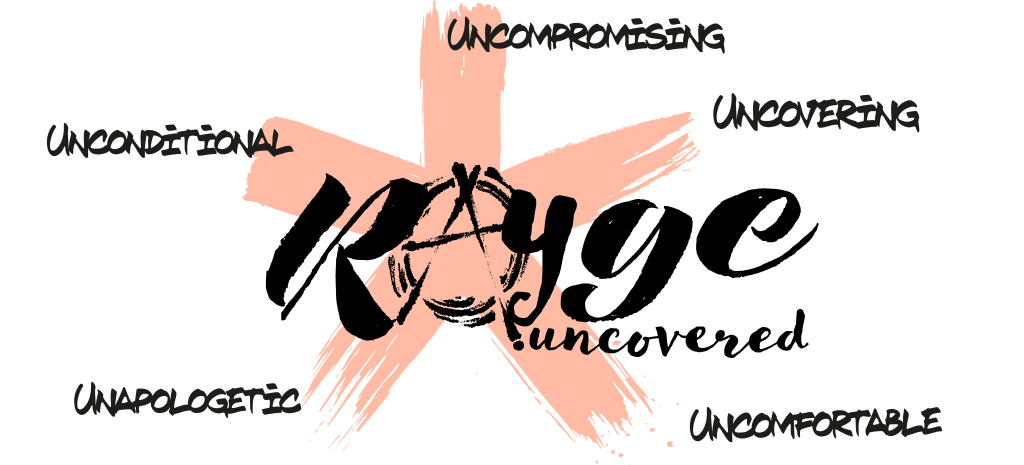
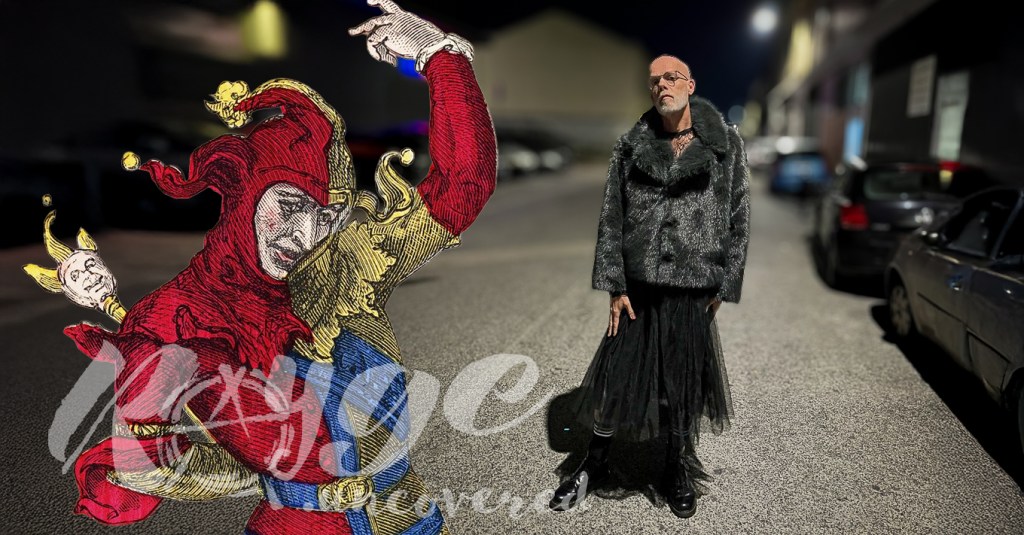
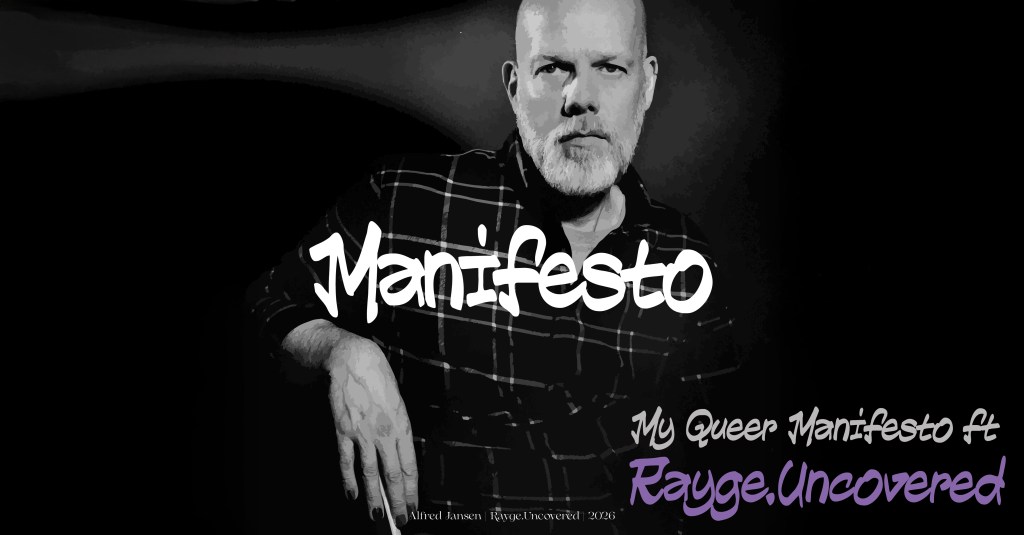
This is not just theory for me — it is deeply personal. My forthcoming performance, Rayge.Uncovered, is my attempt to create shared spaces where all generations can share their stories and experiences. Unfiltered.
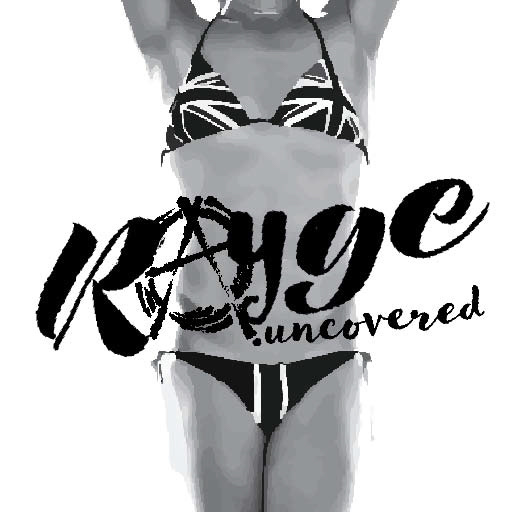
I want to use my body, my age, my vulnerability, and my unapologetic presence as a statement against ageism and body-shaming within our own communities. These issues are real, they wound us, and they often silence people who have so much to offer. I want to transform my stage into a meeting ground where generational differences are sources of inspiration.
In this performance, I am revealing everything — my age, my experiences, my imperfections, my history, my love, and my queer rage — I am a bridge with a body, a voice, a gesture. I connect.
I’ll tell you more about my Rayge.Uncovered performance in my next posts. I promise.
Moving Forward, Together
We are living in a world shaped by war, genocide, environmental destruction, political manipulation, and deliberate division. We are told that age determines relevance, that identity must be policed, and that our differences matter more than our bonds.
I don’t think so.
I believe we need every one of us — every age, every identity, every body, every voice. Queer liberation has always been passed on to the next generation(s). One generation carries the torch for a while, then hands it to the next. I believe that magic happens when we recognise that we are all on the same queer track.
Join My MASTERCLASSES
If you want to keep exploring these themes with me — communication, identity, resistance, queer storytelling, intergenerational understanding — I’ll be offering a series of masterclasses next year. They’re very personal, because my focus is on connecting on a very personal level.
If you like to join, I’m so happy to invite you! There will be space for your story, your voice, your questions, and the way you see the world. You don’t need to know anything in advance; you only need curiosity and a willingness to show up as yourself and learn.
If that resonates, let me know, and I’ll keep you in the loop.


 alfred-jansen.com